20+ Holiday Gift Ideas For Men Living With Dementia
Mary Osborne
Share This Post
Do you have a loved one living with dementia in your life?! Are you having a hard time deciding what type of gift to give them for the holiday season? If so, don’t worry, I’ve rounded up some great holiday gift ideas for men who are living with dementia. It can be so difficult trying to figure out what to get our loved ones! I’m here to share some of my favorite activities, products, and clothing options of some great items I’ve seen and used throughout the years when working with individuals who are living with dementia.
Since the holiday season is approaching, I thought it would be fun to put together a holiday gift guide for your loved one who is living with dementia. Today, I’ll be sharing some gift ideas for men living with dementia. I’ll also break down the gifts by stages of dementia. If you want to learn more about the stages of dementia, click the following links to learn more: early stage, middle stage, late stage.
Early Stage Dementia Holiday Gift Ideas For Men
In early stage dementia, it’s important for that individual to participate in the ‘just right challenge’ activity (an activity that is not too easy and not too hard). It’s important that these activities stimulate the mind, but don’t frustrate that individual. Below, you will see some activities that can be a great idea for men living with early stage dementia. I’ve also included some products that can help those living in early stage dementia. Here are a few activities & products to consider for early stage dementia:
1. Fun Relaxing Word Search Puzzles/Other Activities
This is a great option to work on cognitive skills like attention & problem solving. This is also great for working on fine motor coordination skills. Here are a few options:
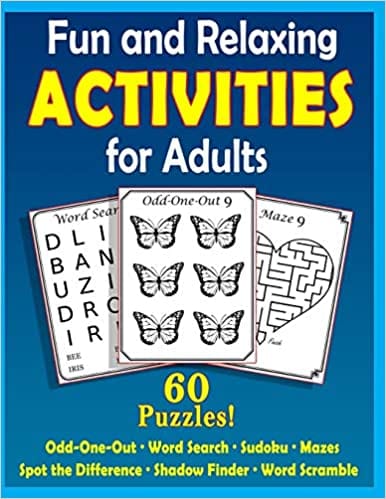
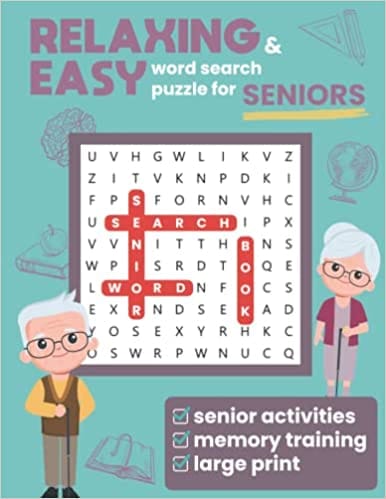
2. Building Activities
A lot of men living with dementia that I’ve worked with in therapy have enjoyed building activities. This can include taking apart or putting together various projects. Here are a few activities they may enjoy.
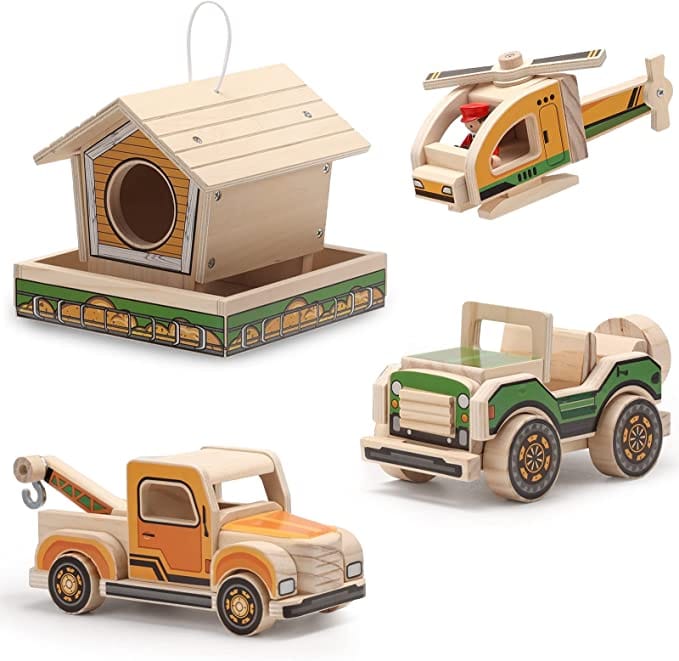
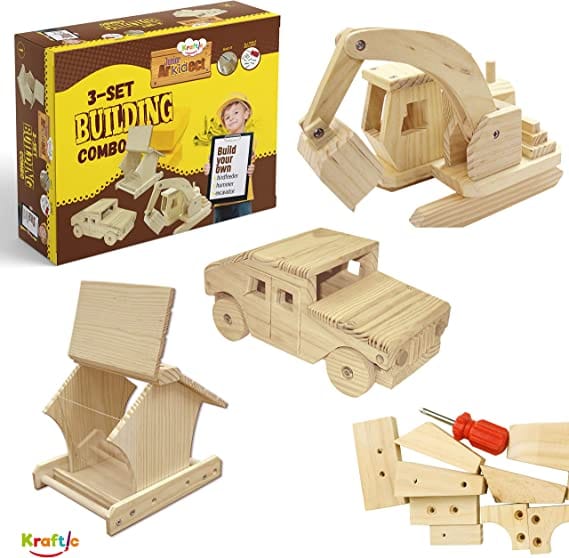
3. Games
I love incorporating card games, or other games that they enjoyed from their past and games they are still able to participate in. Keep in mind, winning or losing doesn’t matter. Just go with the flow and let them lead the way!
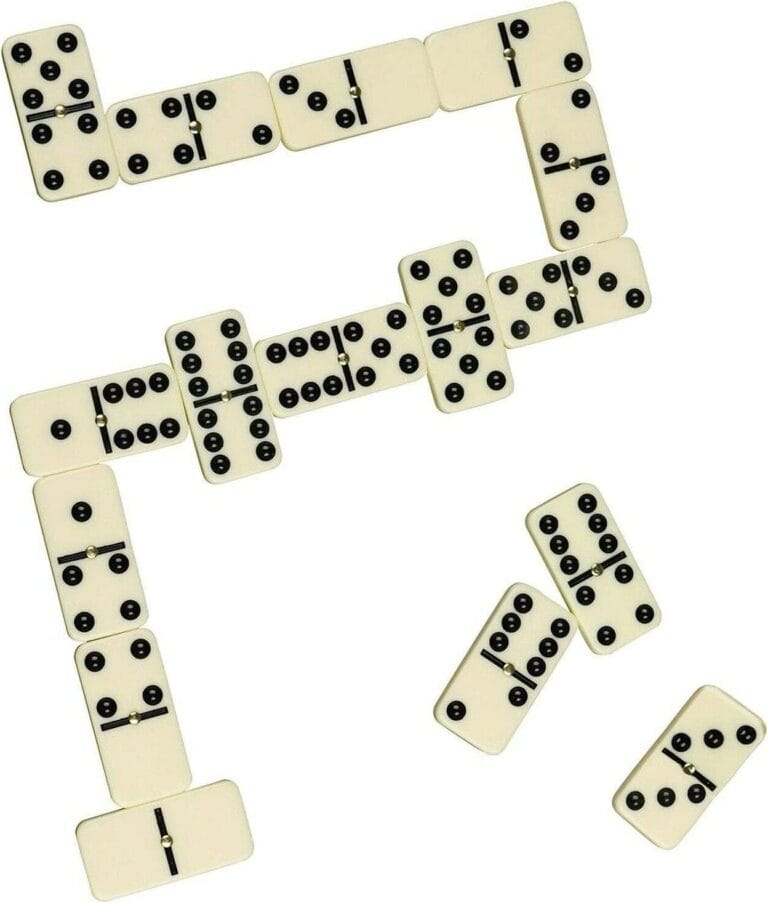
For those men living with dementia who love to play dominos, this is such a great activity to work on problem solving, fine motor coordination, taking turns, attention to task, visuospatial skills, and many more.
For those who like playing poker, blackjack, or a game of battle: here is a link to a deck of regular playing cards:
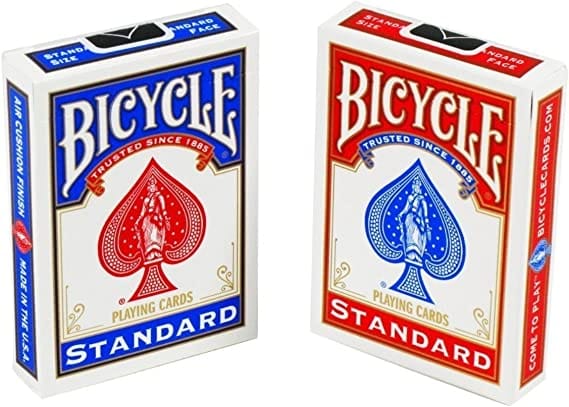
If they have trouble seeing, you can always get a jumbo pack of cards, which you can find here:
Middle Stage Dementia Holiday Gift Ideas For Men
Just like in early stage dementia, we want to be sure to engage those individuals in middle stage dementia in the ‘just right challenge’ activities. It’s important that these activities stimulate the mind, but don’t frustrate the individual. I always focus on the process of the activity, and not the end result. I focus on the fun we are having together. That being said, if they mess up the activity, and make a mistake, I don’t correct them. I find that just can frustrate the person more, and then they may be more reluctant to continue to engage in the activity. Make sure to help start the activity for that person, and continue to help them throughout the activity. Direct supervision should be provided for middle stage and late stage dementia activities. Along with activities, I’ve also included some clothing options for the holidays for men living with dementia. I’ve also included some fashion favorites that your loved one will enjoy!
1. Busy Cube
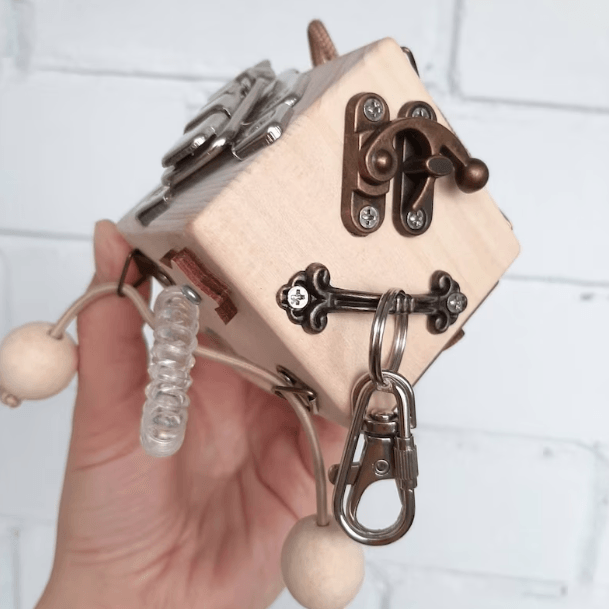
Busy cubes can be a great activity for the person living with dementia to keep their hands busy. This helps promote fine motor coordination, and can help with anxiety. I also like that there’s not a right way or wrong way to perform this activity. This can be a great option for those in the middle/later stages of dementia.
2. Fidget Board Activity
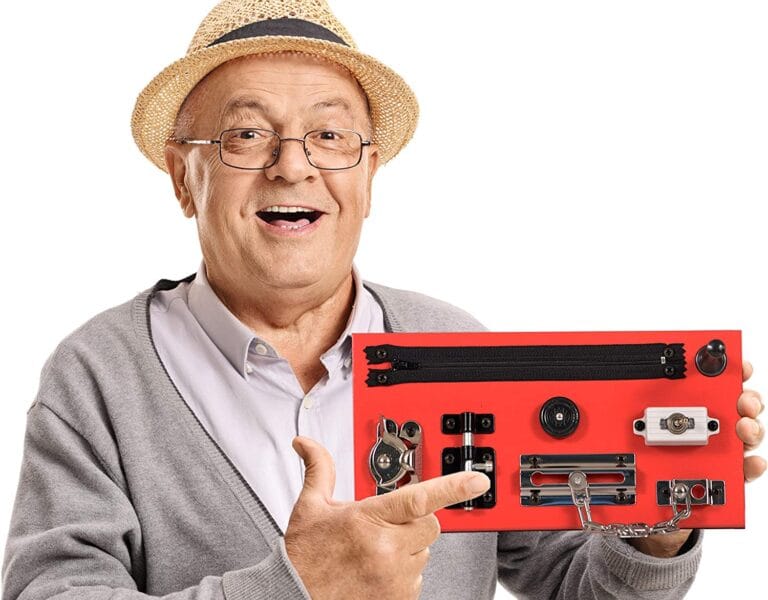
I added this fidget activity board to the list because I like how it’s portable. If you have a loved one who is living in the middle stages of dementia, this can be a great option to bring for a car ride to keep them busy while you are driving.
3. Vintage Car Picture Book
Picture books can be a great option for you to flip through with them. You can flip through the pictures while they are next to you, and then tell them a story about the pictures. I utilize picture books for those living with dementia in the middle and later stages of dementia.

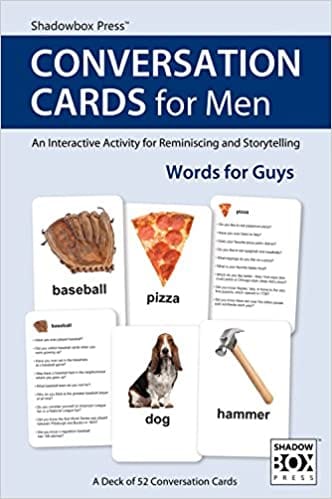
4. Conversation Cards For Men
These conversation cards can help spark a nostalgic conversation. This can increase quality of life through reminiscing about past interests. The questions also include an answer that is simpler to answer, which the person responding ‘yes’ or ‘no’ or nodding their head ‘yes’ or ‘no’
5. Watercolor
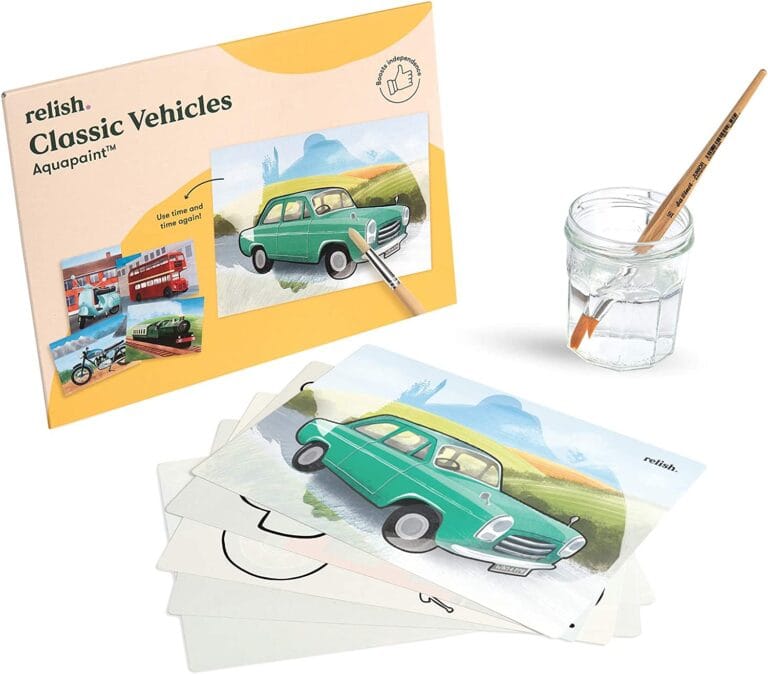
This is one of my FAVORITES! An errorless activity they can complete while feeing a sense of accomplishment & purpose is so important! I brought these to a nursing home recently, and everyone loved these (even those who have never painted before). You can find the watercolor activity here.
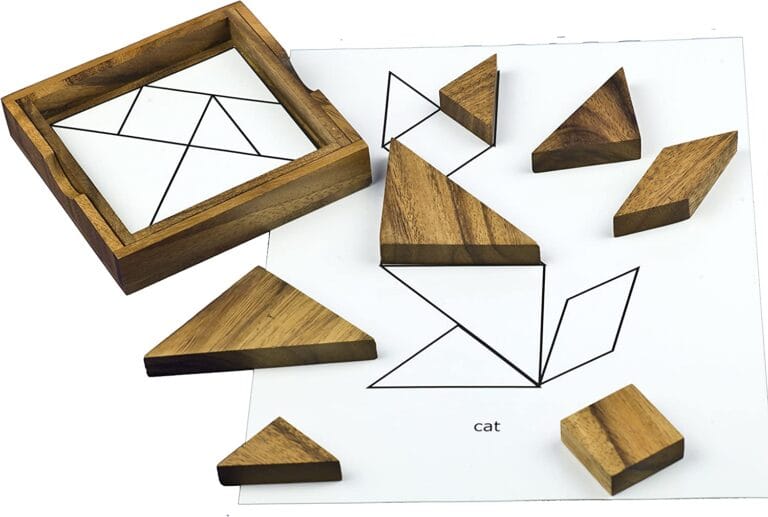
6. Wooden activity puzzle
This is a great activity for working on coordination, visuospatial skills, problem solving, and many others. This could be a great activity for someone in the later part of the early stage and/or middle stage. Help out with the activity as needed.
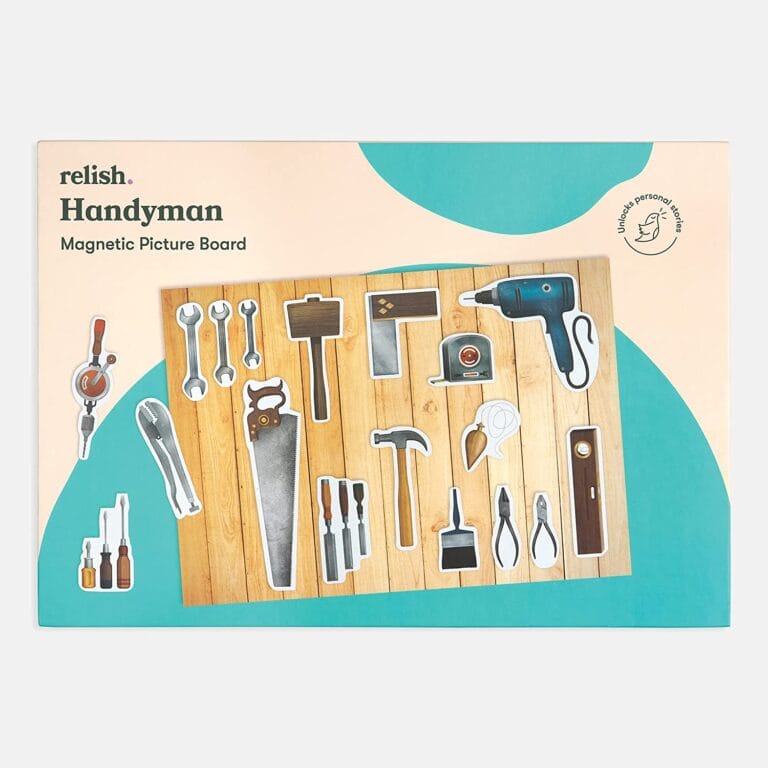
7. Handyman’s Tools 12 Piece Puzzle/ Magnetic Toolbox game
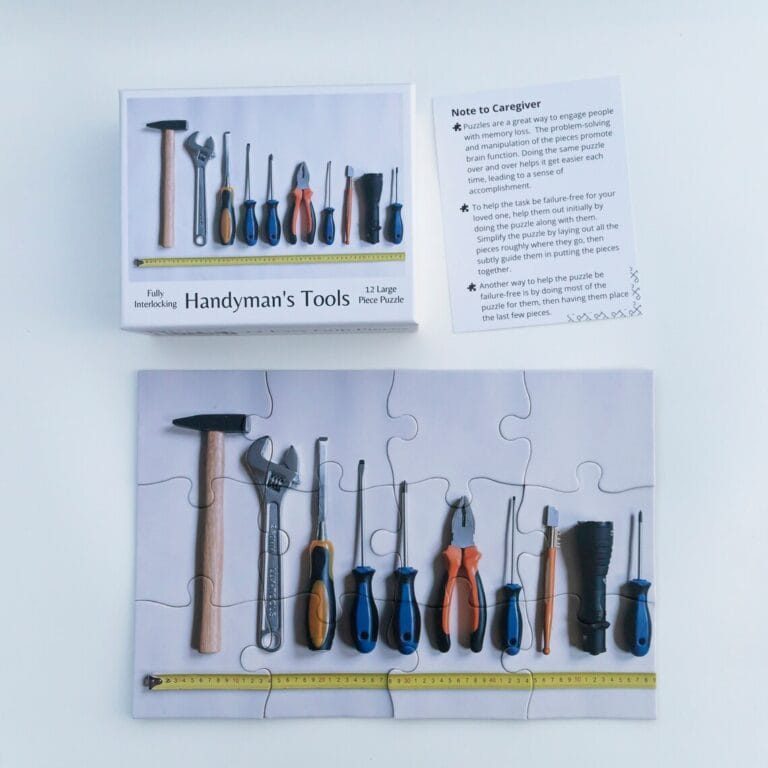
These are great activities for working on coordination, visuospatial skills, problem solving, and many others. Here’s an example of a way to introduce the puzzle: “I could use your help with putting this puzzle together. I know you’re so good at these types of things!”
This magnetic toolbox activity has been one of my favorites lately! Check it out here
8. Clothing
Having clothing that is simple and promotes their dignity is important in the middle stages. I find that having them wear pieces of clothing that are simplified and they can still help out with, is so important for helping them maintain their independence and dignity. Here is an example of a bundle that is simple, fashionable, and promotes dignity:
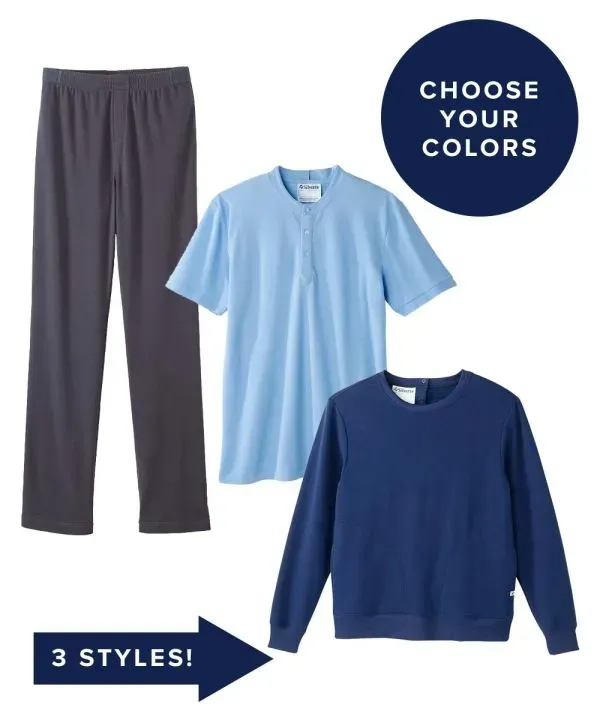
Use Code “MARY20” to save 20% off your order
Late Stage Dementia Holiday Gift Ideas For Men
Late Stage dementia: In late stage dementia, I focus on activities that involve more of a sensory component. This means activities that involve touch, hearing, seeing, smelling. I make sure I incorporate activities they can’t mess up (activities that don’t have a right or wrong way to complete). Direct supervision should be provided for all of these activities, especially one’s that contain small parts!
1. Simulated Pets
simulated pets: Simulated pets are such a great option that provide companionship. I’ve seen individuals reach for them to pet them, and I’ve even seen this help spark a few words in the middle and later stages. Here are a few options:



2. Play Their Favorite Music
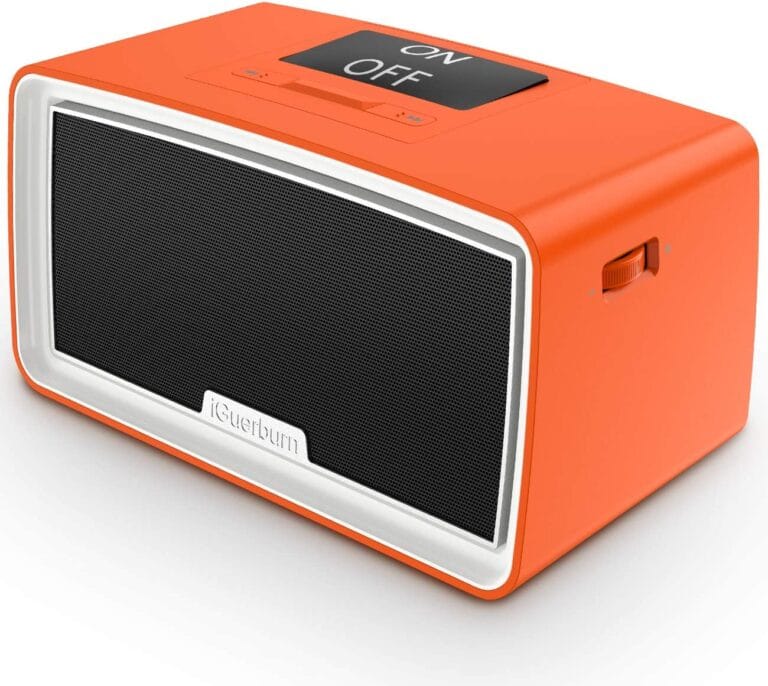
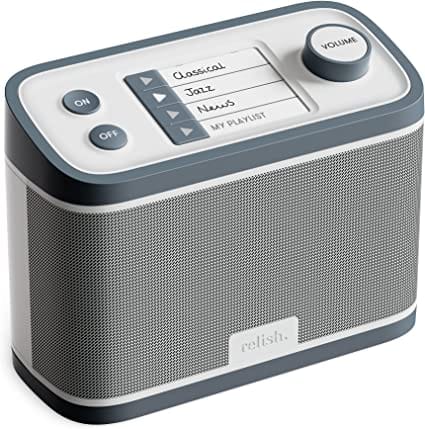
In the later stages of dementia, I find activities that stimulate the senses. Playing music is a great activity for helping increase quality of life. Just being there for them, holding their hand, and playing music is a great sensory activity. If your loved one is at a nursing home or another setting where they are receiving 24/7 care, having a simple radio play the staff can just set and play for them is a great idea! Here are examples of 2 different radios:
I hope you enjoyed this list of activity ideas for the holidays. These gifts aren’t necessarily just gifts for the holidays; they can serve as perfect gifts year round! These activities are also great ideas activities y’all can work on together too! Which item/items of these do you think your loved one would enjoy?!
1. Helps Keep Them From Getting Lost
With the use of a GPS tracker, you can track where your loved one is, which can help you keep them safe. I’m sure you have seen stories on the news about loved ones living with dementia wandering away from the home, where family may be unable to locate their loved one for several hours/days. Having the proper GPS tracking system combined with home safety recommendations can decrease the possibility of this occuring.
2. Reduces The Burden on Family
A GPS-based dementia monitor can help decrease the burden on the family. You can feel a sense of relief knowing you have a system in place to make sure your loved one is safe.
3. Notifies When Going Out of “Safe Zone”
Medical professionals recommend creating a “safe zone” for a loved one with severe dementia, so they are less likely to hurt themselves. In addition, leaving it would quickly alert you to their whereabouts.
People with dementia can benefit the most from modern technology, like a GPS tracker.
Things to Consider Before Purchasing a GPS Tracker
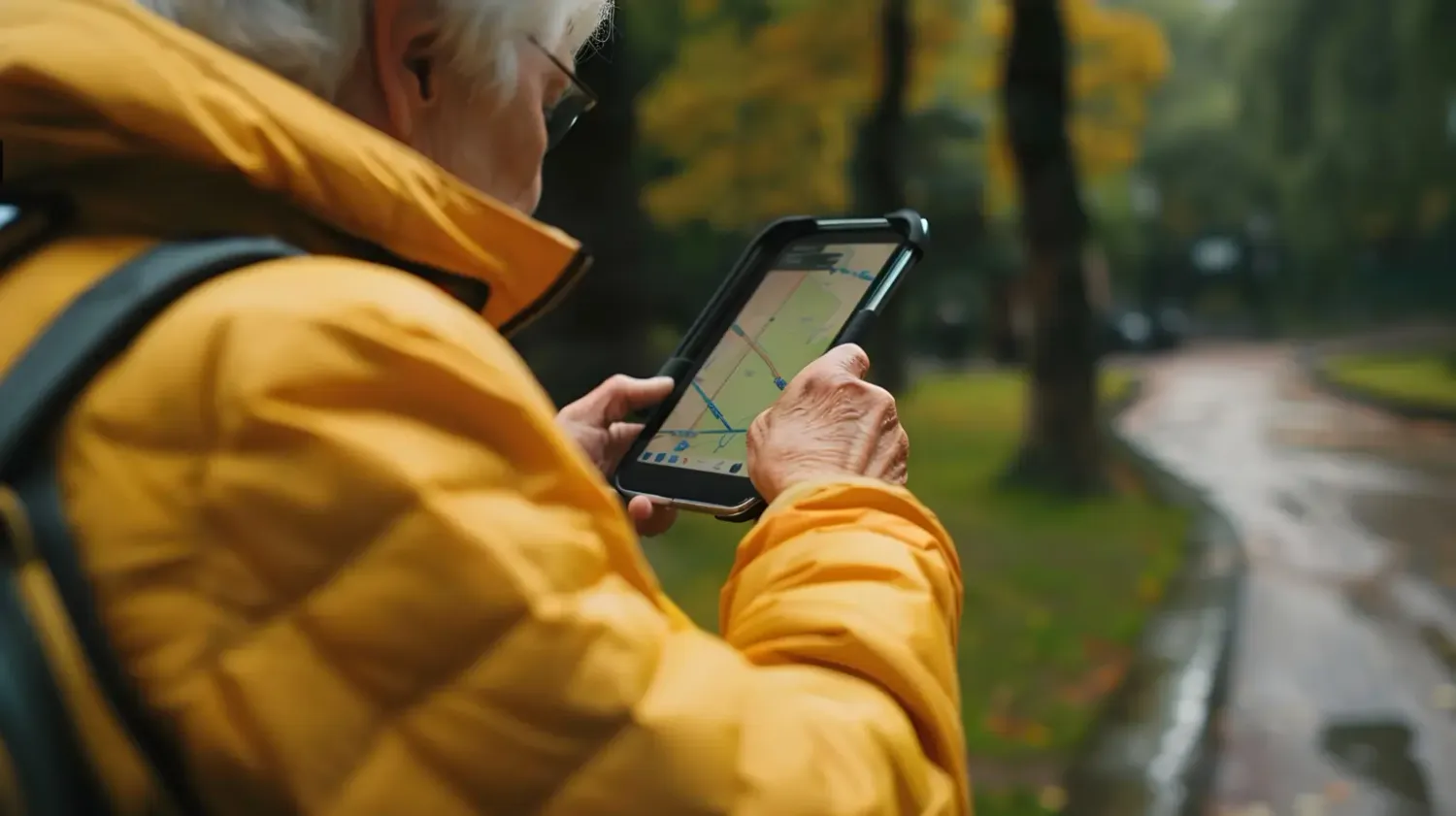
When tracking someone’s whereabouts, a wide variety of tools are needed. For example, parents follow their kids as they walk to class, hospitals monitor their patients, and employers keep tabs on their workers. As a result, prioritizing is essential before settling on a single device.
Essentially, a GPS tracker for people with dementia should have:
1. Durable Batteries
One way to prevent an accident while the battery is off is to have a good battery cycle for a person with dementia. Also, keep an eye out for “fast-charge” features when shopping. It defeats the purpose of any safety mechanism if it is inconvenient to use.
2. Reliable GPS Monitoring
The primary use of GPS is location tracking, so it must function reliably. There must be zero room for error, as even the most minor problem might endanger a person’s life.
3. SOS Button
The monitoring app on your phone probably has a panic button built in. In addition, you can press the hybrid physical/digital button to alert others of your location and the severity of the threat you’re in.
It could be a great benefit if you have a family member with dementia or a similar condition. This will ensure that they are safe from danger under any conditions. When they press this button, keep in mind, they will have to be able to problem solve and remember to press this if they’re in a situation where they need assistance.
4. Compact And Low-Weight
Dementia symptoms just as much as the mind can affect the physical body. Since tracking and wearing multiple items becomes more challenging, the ideal GPS gadget would be compact and lightweight.
In addition, it needs to stand out. Invest in a colorful case if you don’t want to lose it as quickly.
Although real GPS tracking devices have their place, applications that provide the same level of protection are the preferred option. People with dementia are not required to carry extra equipment because a regular cell phone serves the same purpose.
5. Convenient Design
Your loved ones probably aren’t technologically advanced so it’s essential to pick a device or app that’s easy for them to operate and/or something they would enjoy wearing. It’s important to use eye-catching colors, a legible font size, and an audible alert to draw attention to the notifications.
As the prevalence of dementia rises, GPS dementia trackers will become standard equipment for those living with the disease. The more practical it is, the better.
Closing Thoughts
If your loved one is in the early stages, consult with them about these options. Present it in a positive way, and focus on the features that are great about it, other than focusing on the GPS tracking system. As the dementia progresses, you can present one of these options like a watch as a gift to them. As dementia progresses, especially to the middle stages, they will need your help to remember to wear & use these options, and assistance with putting them on.
I always recommend having these talks early on in the dementia diagnosis (when the person is aware of the diagnosis and/or at the MCI level). This will provide you peace of mind as a caretaker and help to ensure that you are honoring your loved one’s wishes to the fullest extent possible, even though they are no doubt tough to have.
Remember that GPS tracking does not always equate to better care because it cannot prevent someone from getting lost, but it can provide increased security & comfort. Speak with your doctor regarding an order for Speech Therapy or Occupational Therapy, so they can further assess cognition and recommend the most appropriate device for your loved one.
References
https://caringvillage.com/product-review/top-10-products-track-elderly-location/
https://www.safewise.com/best-gps-trackers-dementia-patients/
https://www.aplaceformom.com/caregiver-resources/articles/gps-trackers
https://www.medicalalertbuyersguide.org/articles/the-best-gps-trackers-for-dementia-patients/
https://family1st.io/10-best-gps-trackers-for-dementia-patients/

Mary Osborne
My name is Mary, an Occupational Therapist here in Austin, TX. I help family caregivers navigate a dementia diagnosis by providing them with helpful digital resources and an option to join a monthly membership program to make life easier for everyone involved in care.
Sign Up For Our Weekly Newsletter
Enter Your Email Below
More To Explore
Subscribe To Our Newsletter
Copyright 2025. Your dementia therapist